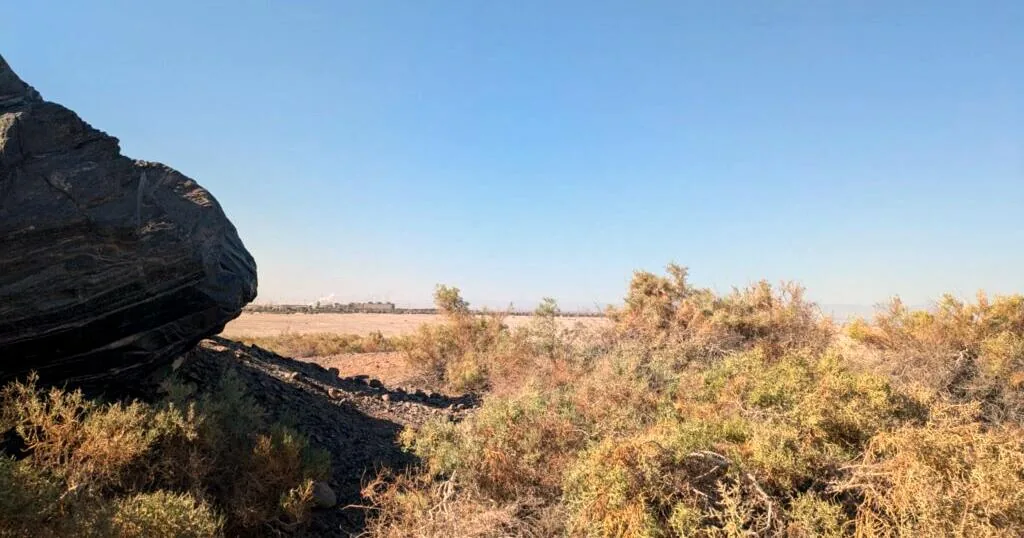
EL CENTRO, CA — The Southeast Lake Cahuilla Active Volcanic Cultural District is an 11,162-acre sacred landscape on the southeastern shore of the Salton Sea. Tribal leaders and conservation advocates are seeking federal historic protections for the area as industrial plans accelerate around California’s proposed Lithium Valley.
The place is known for geothermal steam vents, active mud pots, and long cultural ties to the Kwaaymii, Kamia, Kumeyaay, Cahuilla, and Quechan Peoples. For those communities, the land is more than scenery: it is a living place linked to creation stories, harvesting, and ceremony.
A Living Geothermal Landscape
The district sits beside the Salton Sea in Imperial County, where heat and pressure push steam and mud to the surface. That activity is central to the argument for protection, because the vents and mud pots are part of the site itself, not just features nearby.
Tribal stewards describe the bubbling mud pots as the heartbeat of Mother Earth and the steam as her breath. The landscape also holds traditional resources that indigenous communities have used for generations, including clay, medicinal plants, mineral paints, and obsidian tools. Those uses help explain why the area is treated as sacred rather than simply remote desert ground.
The broader conflict is tied to the same geothermal basin that companies and local officials see as valuable for lithium extraction, power generation, and infrastructure. Supporters of preservation say that makes the district especially vulnerable to being altered beyond recognition.
What Supports The Nomination
The historic designation push is built around a formal nomination process rather than a symbolic appeal. Environmental nonprofit Earthworks has been helping publicize the campaign, and advocates are asking California State Historic Preservation Officer Julianne Polanco to place the Southeast Lake Cahuilla nomination on the agenda for the State Historical Resources Commission’s November meeting.
If the state commission approves the nomination, it would move on to the National Park Service, which oversees the National Register of Historic Places under the National Historic Preservation Act of 1966. That status would matter because it would trigger formal federal environmental review for projects needing federal permits or funding.
Under California law, a federal listing would also place the site on the California Register of Historical Resources. That would raise the legal stakes for any project that could damage the landscape under CEQA.
How Development Raised The Stakes
The preservation fight grew as Imperial County advanced its Lithium Valley Specific Plan, a fast-track proposal to turn geothermal brine beneath the Salton Sea basin into a major center for domestic lithium extraction and related infrastructure. Tribal leaders and environmental advocates say the pace of that plan could leave too little room for careful review.
They warn that drilling and changes in underground pressure could disrupt the geothermal forces that sustain the mud pots, potentially stopping their activity altogether. State environmental assessments have already described expected harm from industrial facilities, cooling towers, and transmission lines as “significant and unavoidable.”
Those documents also say the project would damage views of nearby mountain ranges and the night sky. For cultural stewards, that is not a minor aesthetic issue but another sign that the land’s religious character could be diminished by heavy development.
What It Means Now
For tribal elders and preservation advocates, the district represents a test of whether California can pursue clean-energy goals without erasing sacred land. They argue that the push for lithium, however nationally important, should not override a place tied to spiritual knowledge and long-term cultural survival.
Carmen Lucas, a Kwaaymii elder, said in a statement published by Earthworks that the Earth is alive and should not continue to be abused. Maya Grace Hausman of Earthworks wrote that the land is not simply a place to extract resources from, even if renewable energy remains a worthy goal.
Visitors and researchers who come to the area can still see the geothermal features that make the site distinct. The mud pots, steam vents, and open desert setting are part of what advocates want protected before industrial buildout changes them permanently.
More of America's buried past, on LSM Spartan Scroll.