Investigators say new DNA testing restored a name to a long cold case and brought answers to one California family.
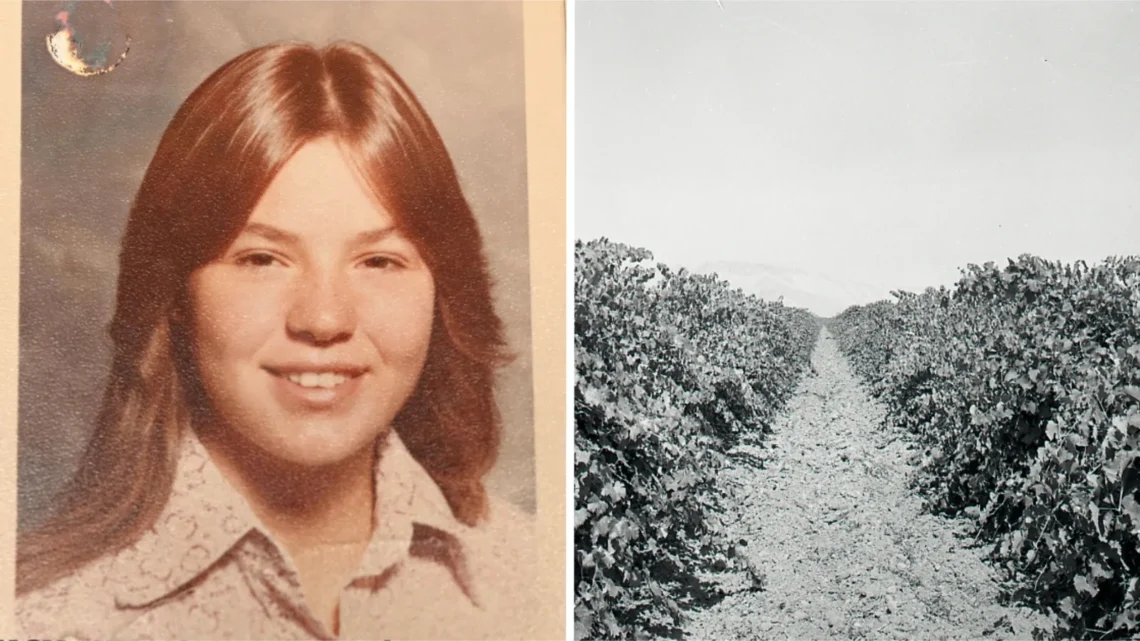

Investigators say new DNA testing restored a name to a long cold case and brought answers to one California family.
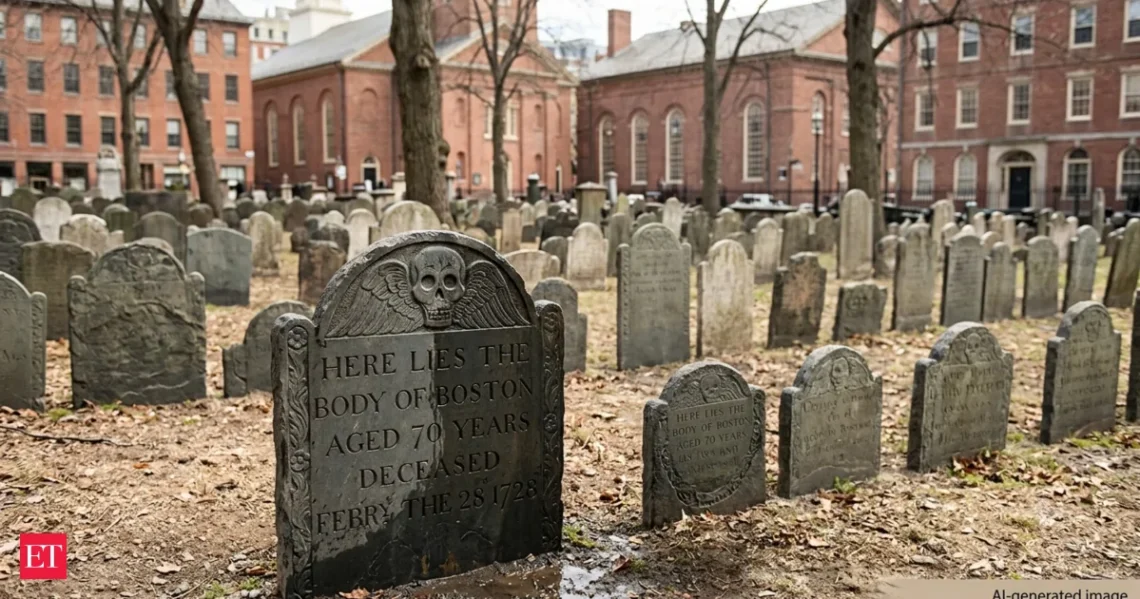
A restored headstone and a careful archival search brought the story of Boston, a formerly enslaved Black man, back into view nearly 300 years after his burial.
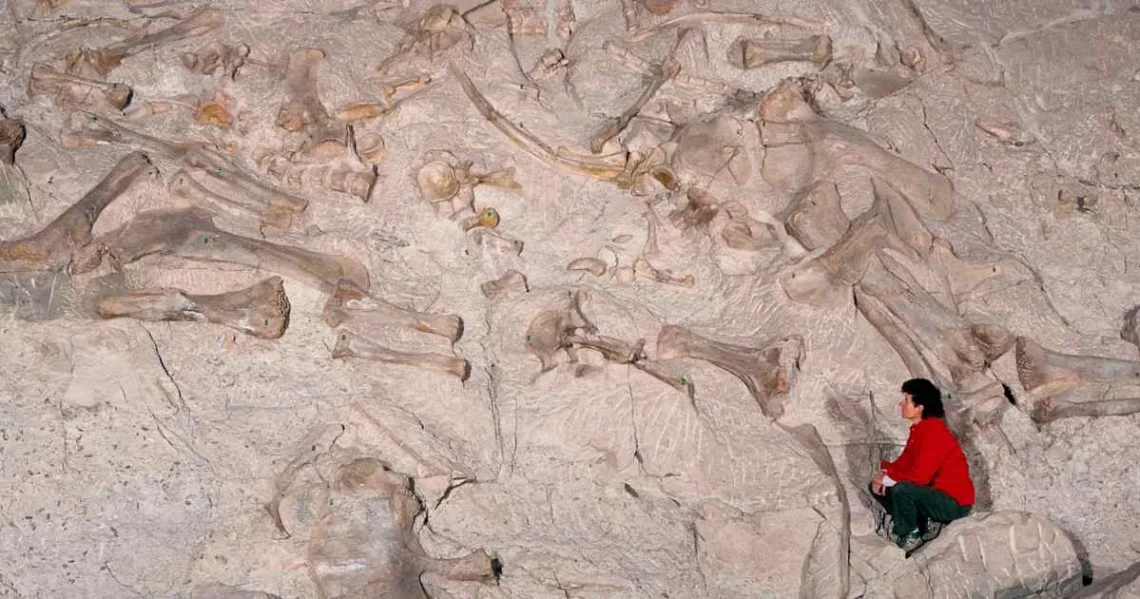
Dinosaur traces in the U.S. surface in parks, museums, and even unexpected building stone.
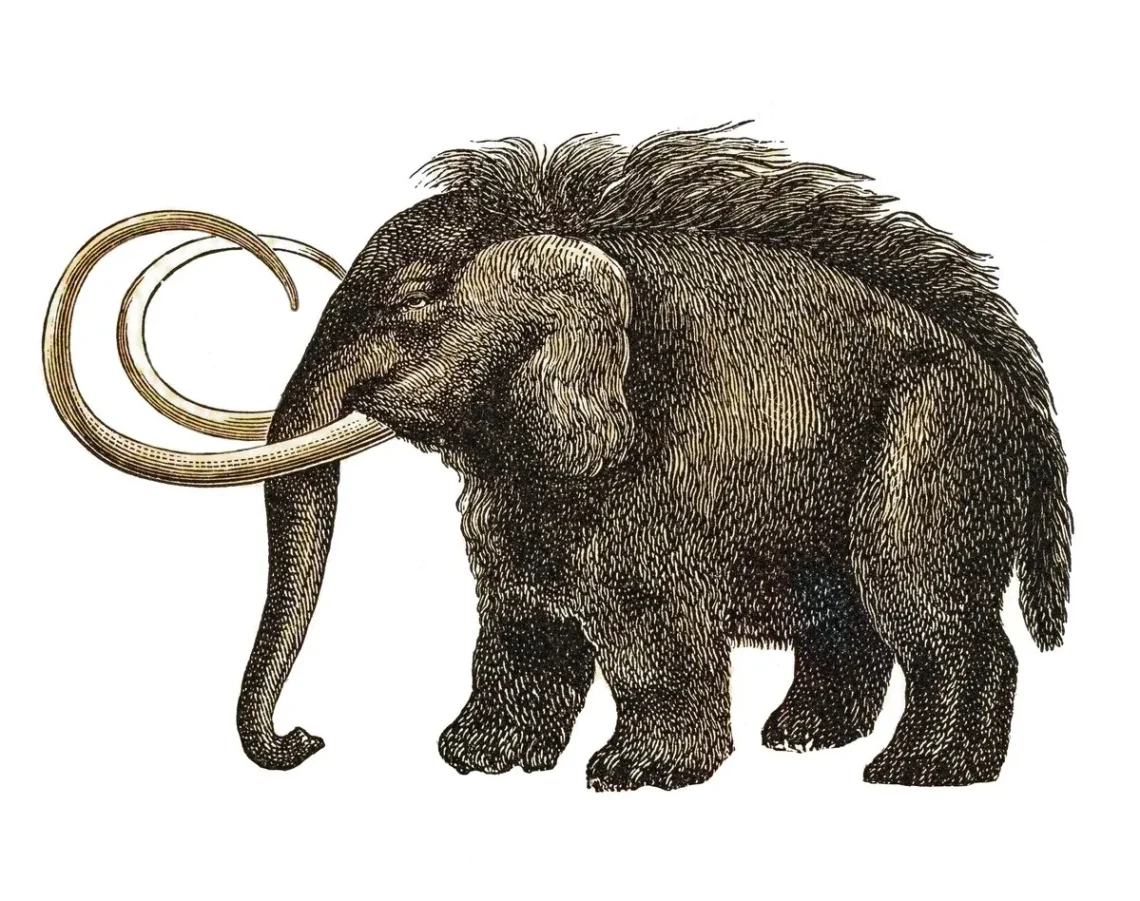
A single tar pit site reveals how predators, scavengers and mammoths all ended up in the same deadly Ice Age trap.
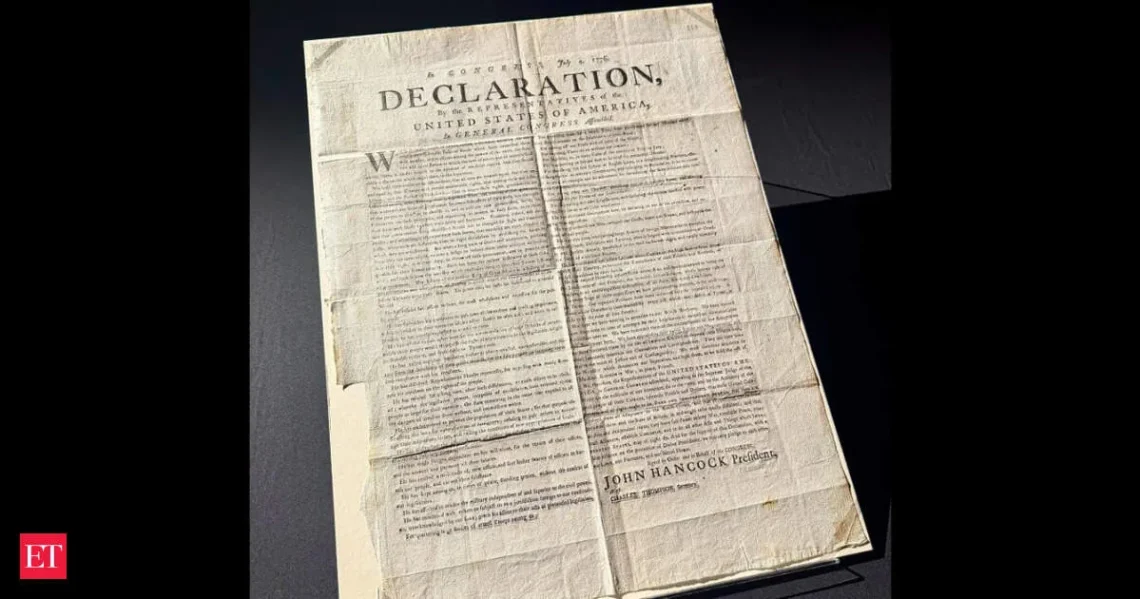
Archivists in London identified an authentic early printing of the Declaration of Independence, one of only a handful known from that July 1776 run.
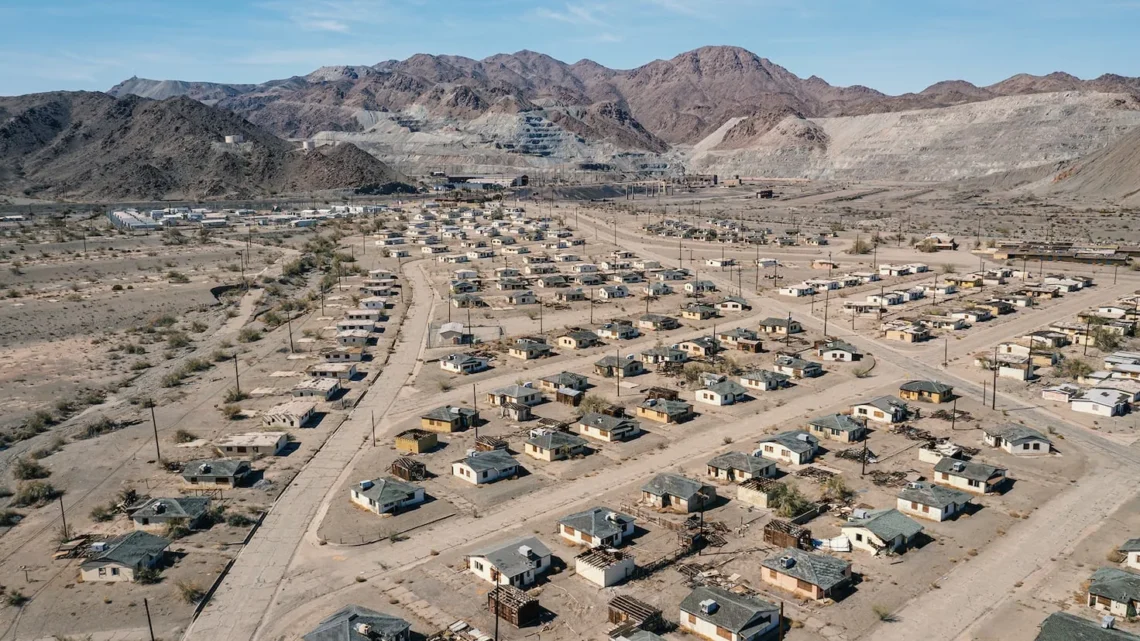
Built in the Mojave Desert for postwar iron mining, Eagle Mountain later emptied out and became one of California’s starkest ghost towns.
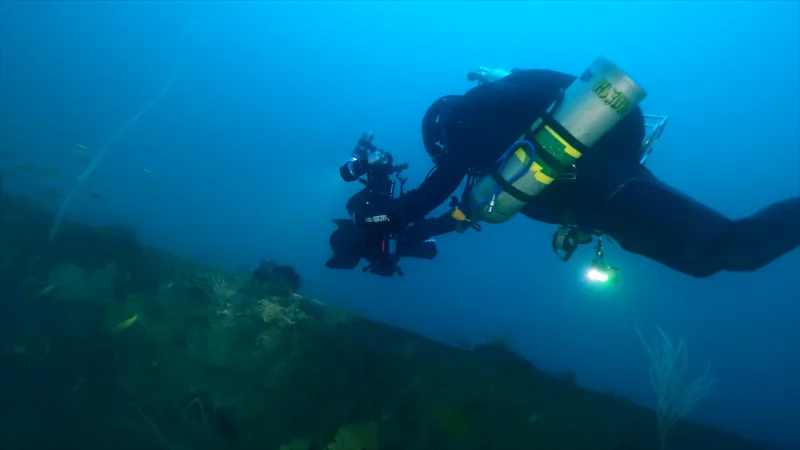
The World War II ship’s discovery off the Philippines confirms a long-missing grave and clarifies the fate of prisoners caught in a wartime bombing.
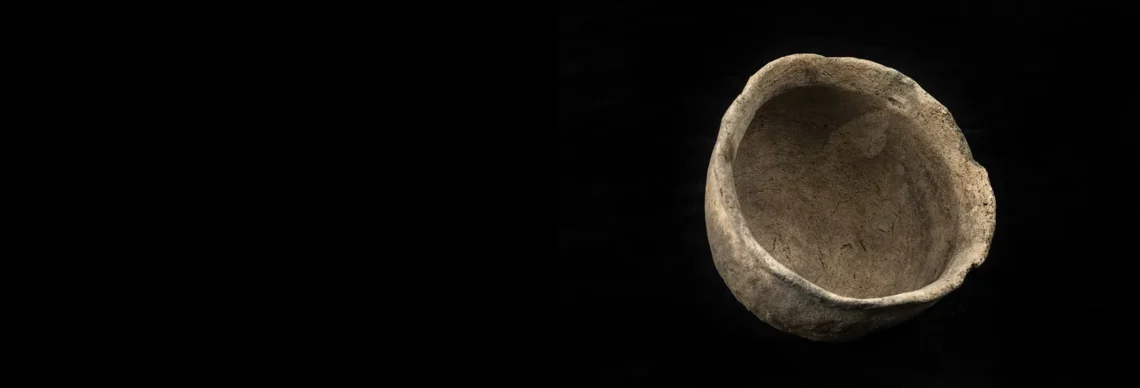
Archaeology students uncovered a rare, intact vessel at a former Spanish mission in northwest Gainesville, and researchers still do not know why it was buried.