LAS VEGAS, NV — St. Thomas is a former Mormon settlement in southern Nevada that dates to 1865, when settlers built it near the Muddy River. It became one of the towns drowned by Lake Mead after Hoover Dam was built.
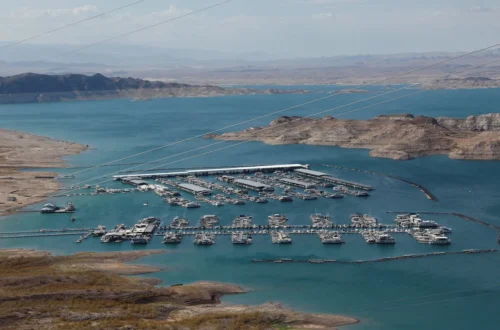
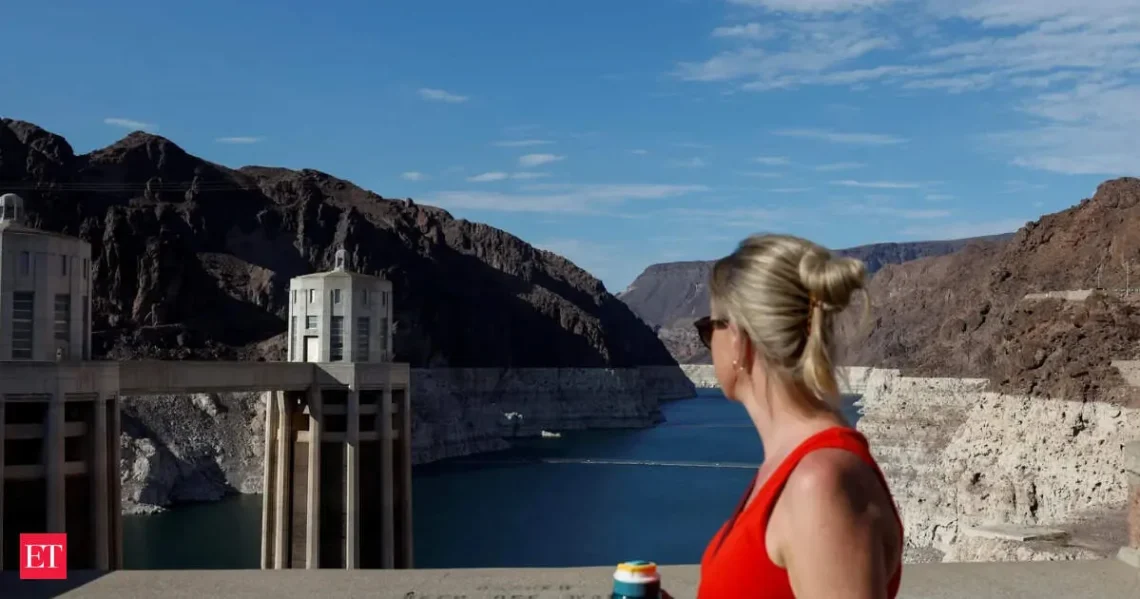
What makes St. Thomas unusual is how completely it disappeared and then returned. At the reservoir’s highest level, the tallest building in town sat about 60 feet underwater. As Lake Mead has fallen during the modern drought, parts of the old town have become walkable again.
A Desert Town Site
The settlement sat in a harsh patch of desert where early residents tried to carve out farmland with irrigation canals. The original plan was ambitious: grow cotton and help create a supply route between California and Utah along the Colorado River.
Life there was difficult from the start. Heat, mosquitoes, scorpions and disputes over land taxes made the town hard to keep going. Cotton did not perform as hoped, and many of the first settlers left in 1871 and returned to Utah.
Over time, the place grew more varied. Farming expanded, mining added income, and St. Thomas became a freight stop. By 1918, it had a grocery store, cafe and hotel, and about 500 people lived there at its peak.
What Researchers Know
Much of what is known about St. Thomas comes from the National Park Service and from the remains that reappear when lake levels drop. Streets, foundations and other features have emerged enough to show much of the original town layout.
Those exposed ruins help confirm how the town was arranged and how deeply it was submerged. The National Park Service says the longest period of exposure after Lake Mead was filled lasted more than nine years, from July 1963 to November 1972.
Former residents and descendants have also gathered there during times of exposure, including reunions in 1945, 1963 and 2012. Those visits add human memory to the physical evidence left in the ground.
From Town To Reservoir
St. Thomas’s fate changed when Congress approved the Boulder Canyon Project in 1928. That authorization set the stage for Hoover Dam and the creation of Lake Mead, a reservoir meant to support the fast-growing American Southwest.
Residents were paid and gradually moved away as construction moved forward. Lake Mead began filling in 1935, and the town’s last resident, Hugh Lord, remained until June 1938 before leaving as water reached his home.
As the reservoir rose, buildings, including the school, an ice cream parlour and homes, disappeared beneath the surface. For years, only the tops of some cottonwood trees could be seen above the waterline.
What Visitors See Now
The ruins first became visible again in 2002 after a sharp drop in Lake Mead’s level. Since then, the site has surfaced repeatedly whenever the reservoir has fallen far enough.
Visitors can walk through the town when conditions allow and trace the old streets and building outlines. The exposed remains make the settlement’s original shape easier to read, even though the town itself is long gone.
Today, St. Thomas is both a ghost town and a warning. Lake Mead is a major water source for the US Southwest, and Hoover Dam depends on it for hydroelectric power. The same retreating water that reveals the town also signals stress on the region’s water supply.
More of America's buried past, on LSM Spartan Scroll.