An Underground Town Fire
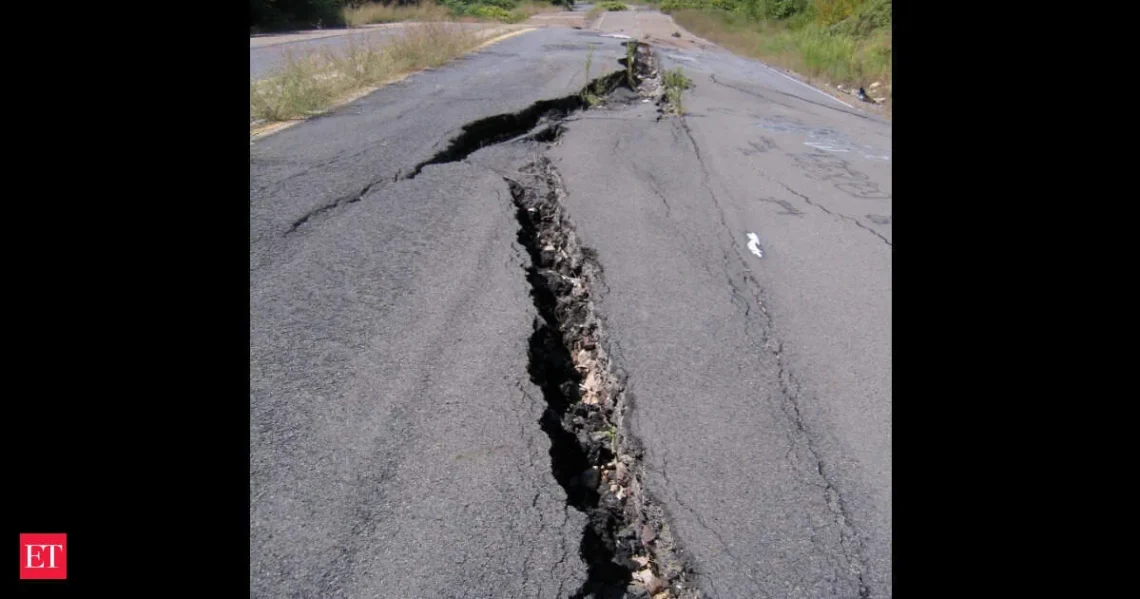
CENTRALIA, PA — Centralia is a Pennsylvania coal town that turned into one of the country’s best-known ghost towns after a landfill fire in 1962 escaped into underground coal seams. The blaze has kept smoldering for more than six decades.
What makes the place extraordinary is not just the length of the fire, but the scale of the collapse around it. Once a borough with more than 1,000 residents, Centralia had only five people left by the 2020 census.
What Centralia Sits On
Centralia is in Columbia County in eastern Pennsylvania, where anthracite coal helped build the town in the 19th century. It was officially incorporated in 1866 and grew around mining, with churches, schools, shops, restaurants, grocery stores, and hundreds of homes.
Beneath the streets were abandoned mine tunnels and coal seams, the hidden geology that made the later disaster so hard to stop. As coal mining declined, the old underground passages remained in place under homes, roads, and fields.
How Researchers Know
The basic history comes from town records, state and federal actions, census counts, and the long public record surrounding the fire response. Officials tracked the spread of heat, smoke, and gas as they tried to understand how far the underground blaze had moved.
The 1981 sinkhole incident involving 12-year-old Todd Domboski also became a key piece of evidence. He fell into a cavity in his grandmother’s backyard, exposing dangerous heat and carbon monoxide and showing that the fire was no longer a surface problem.
How The Fire Spread
The fire began in May 1962, when a cleanup burn was set at the Centralia landfill in an abandoned strip mine pit near town before Memorial Day. Officials thought it had been put out after debris was cleared and water was used, but the flames had already slipped into cracks that led to underground coal.
Once the seam ignited, the fire fed on coal and oxygen moving through old tunnels. Efforts to stop it with trenches and coal removal proved too costly, and by the 1980s officials decided relocation was safer than trying to extinguish the blaze forever.
What Centralia Means Now
Congress approved more than $42 million in 1984 for residents who chose to move, and later Pennsylvania used eminent domain to condemn most of the remaining property. A 2013 settlement allowed eight residents to stay in their homes for life.
Today, empty roads and overgrown lots mark where neighborhoods once stood, while underground heat and gas still signal the fire below. The town’s eerie look also helped inspire the 2006 horror film Silent Hill, with screenwriter Roger Avary citing Centralia as an influence.
More of America's buried past, on LSM Spartan Scroll.