CENTRAL POINT, OR — The Archaeology Roadshow is coming to Historic Hanley Farm on Aug. 20, giving Southern Oregon residents a chance to show an archaeologist the unusual objects they have found or inherited. The free event runs from 4 to 8 p.m. and is designed to pair object identification with local history.
The setting matters as much as the artifacts. Organizers say the roadshow is meant to help people understand why archaeology is not just about collecting things, but about preserving the context that gives those things meaning.
What Hanley Farm Is
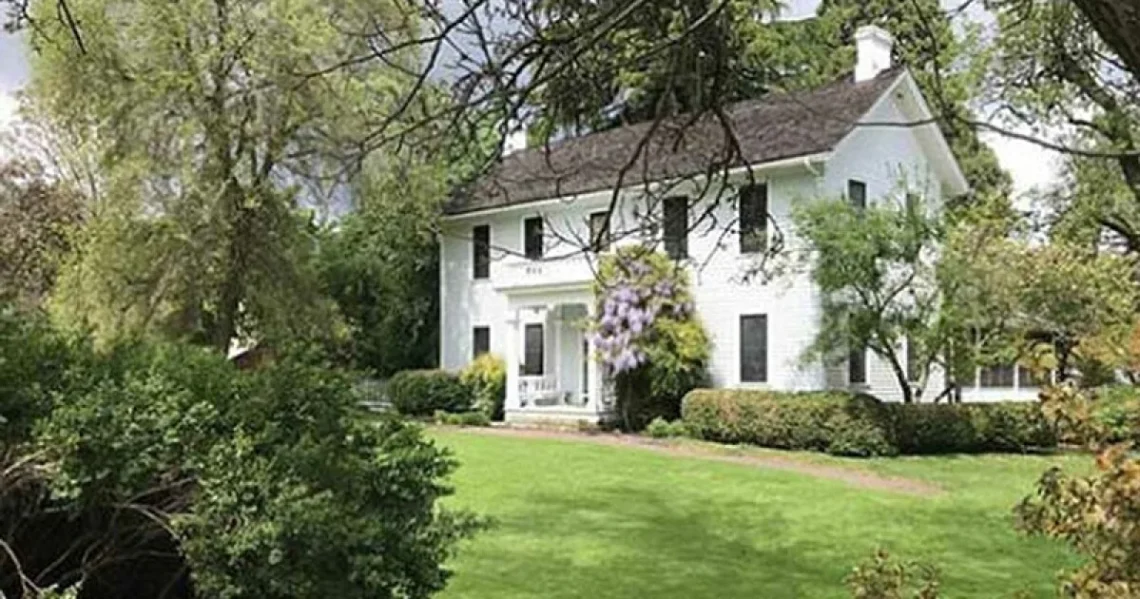
Historic Hanley Farm is more than a venue for the roadshow. Anna Sloan, curator of collections for the Southern Oregon Historical Society, said it is both an archaeological site and a historic site, which makes it a fitting place to talk about the region’s past.
Visitors will be able to learn about recent archaeological finds at the farm while also seeing other parts of Southern Oregon history brought into the same space. The event is built around the idea that the landscape itself holds evidence, not just the objects people bring through the door.
That is why the roadshow is framed as family friendly and free. It invites curiosity, but it also asks visitors to think about where objects come from and what can be lost when they are removed from the ground or passed around without record.
How Experts Read Objects
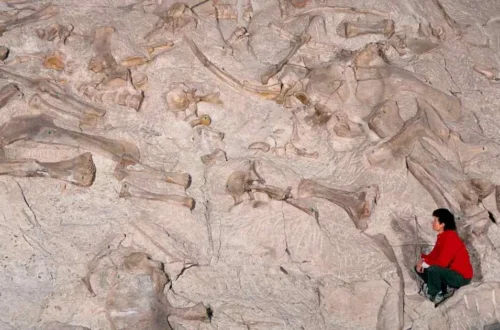
Virginia Butler, the roadshow’s project director and a retired Portland State University archaeology professor, said the object-identification table is only part of the experience. Experts will also explain archaeological context and why a find is often more valuable when it is left where it was discovered.
Butler said the point is to help people notice history that is already around them. In her view, archaeology becomes easier to understand once people see that a single object can say more when its location, layer, and setting are known.
That focus on context is central to the roadshow’s public mission. Instead of simply naming artifacts, the experts will use them to show how archaeological evidence is studied and why careful handling can protect the story behind each item.
How The Event Grew
The Central Point stop marks the first time the Archaeology Roadshow has been held in Southern Oregon. Butler said object identification is a new addition for the Rogue Valley event, expanding what visitors can expect from the program.
The theme this year is “Fire and Water,” a broad look at how those elements have shaped human history. At Hanley Farm, that theme connects archaeology with local stories that already sit inside the site’s own layered past.
Alongside the artifact work, visitors will hear about the region’s smokejumper history and see a 1946 amphibious fire engine from Ashland. Those additions make the event part archaeology lesson and part regional-history showcase, all in one evening.
What Visitors Can See
For visitors, the appeal is both practical and public. They can bring in found or inherited objects, ask questions, and hear directly from experts who can explain what an item may be — and what cannot be known without context. The event also encourages people to think before moving or discarding old finds.
That message comes through clearly in Butler’s advice that leaving things in place is probably the best strategy. The roadshow does not just try to identify objects; it asks residents to treat them as pieces of a larger archaeological record.
At the same time, the event offers a chance to see archaeology in action at a site where the past is still visible. For organizers, that combination is the point: history is not abstract, but something people can literally hold, study, and help preserve.
More of America's buried past, on LSM Spartan Scroll.