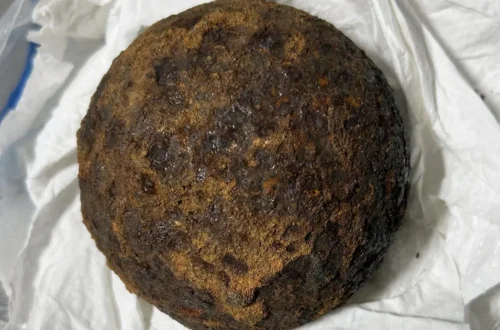
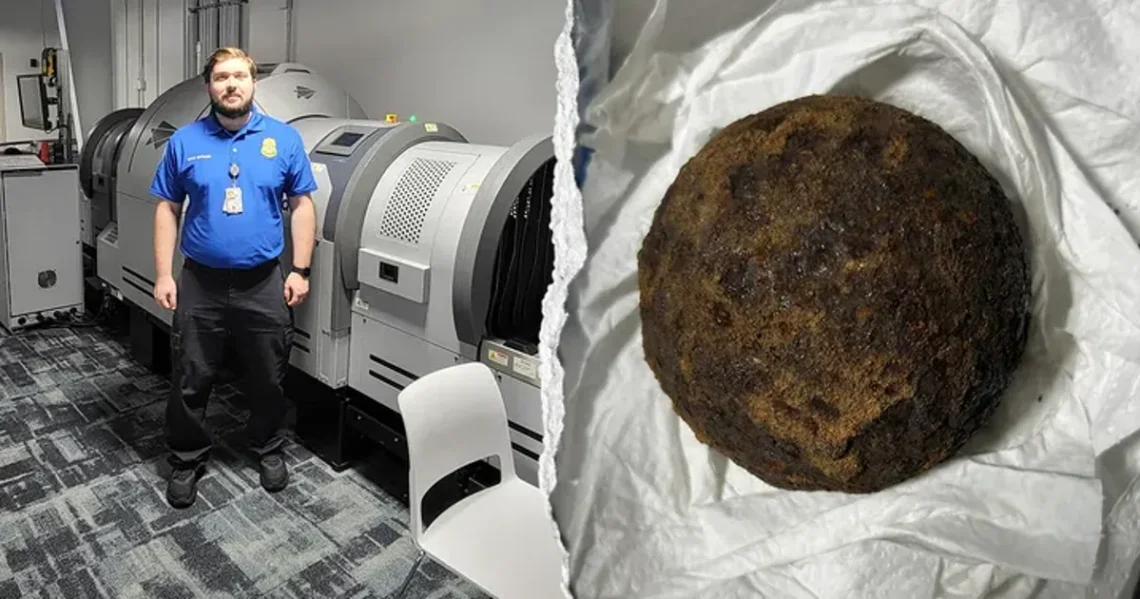
GULF SHORES, AL — A routine bag check at Gulf Shores International Airport turned into a serious security alarm when TSA officers found five Civil War-era cannonballs inside a passenger’s checked luggage on July 18.
The objects were wrapped in paper towels and came in different sizes, with the largest roughly grapefruit-sized. Officers initially could not tell whether the munitions were inert, so the bag was treated as a potential explosive threat.
What The Artifacts Were
The cannonballs were not museum display pieces in the bag; they were artillery munitions, the kind that immediately raises concern in airport screening. TSA officer Justin Dupree first noticed a large opaque shape on the X-ray and thought it might be a medicine ball.
When he could not see a fuse, he moved quickly to alert his supervisor, Richard Cash. Cash agreed the screen image looked dangerous enough to bring in explosives specialists and local law enforcement, including the Baldwin County Sheriff’s Office.
The items were discovered at the airport in Gulf Shores, about 45 miles southeast of Mobile, Alabama, and TSA said the incident was only the second since the airport opened in May 2025.
How Officials Identified Them
Once the immediate security concern was handled, investigators traced the cannonballs to Fort Morgan, the historic fort in Gasque, Alabama. The Baldwin County Sheriff’s Office said a juvenile had taken them from a storage area inside the fort.
Fort Morgan staff were able to confirm the items as theirs because of paint markings they use on artifacts. Officials also said the cannonballs were being carried in the juvenile’s grandmother’s checked bag, and she said she did not know they had been stolen.
That chain of identification mattered because the airport team could not safely assume the objects were harmless just from the X-ray image alone.
From Fort Morgan To The Airport
After the discovery, the cannonballs were treated as prohibited items because they were classified as artillery munitions and could not be immediately cleared as safe for transport. The possibility that they were live made them a threat to the aircraft and to airport operations.
TSA said Dupree had been an officer for about four years and had never encountered anything quite like the case. Cash called it his first time dealing with a potentially live explosive, and Dupree compared the moment to an “Indiana Jones-esque” stolen-artifact situation.
The fort’s director chose not to press charges, and the sheriff’s office said no further action followed.
What Visitors Can See Now
Today the case stands as a reminder that historic objects can still create immediate hazards when they are moved without care. TSA Alabama Federal Security Director Tara Corse praised the officers for spotting the shapes on the X-ray and responding before the situation escalated.
For travelers, the message is simple: even items that are old, inactive, or seemingly harmless should not be carried to an airport if they resemble weapons or ammunition. TSA said such objects can trigger security alerts, delay flights, and create safety concerns.
At Fort Morgan, the incident also highlights how surviving Civil War material is still tracked as property, not just as history, and how markings on artifacts can help identify what has gone missing.
More of America's buried past, on LSM Spartan Scroll.